


Table of Contents


Order Plant Food in our Shop!
Shop Now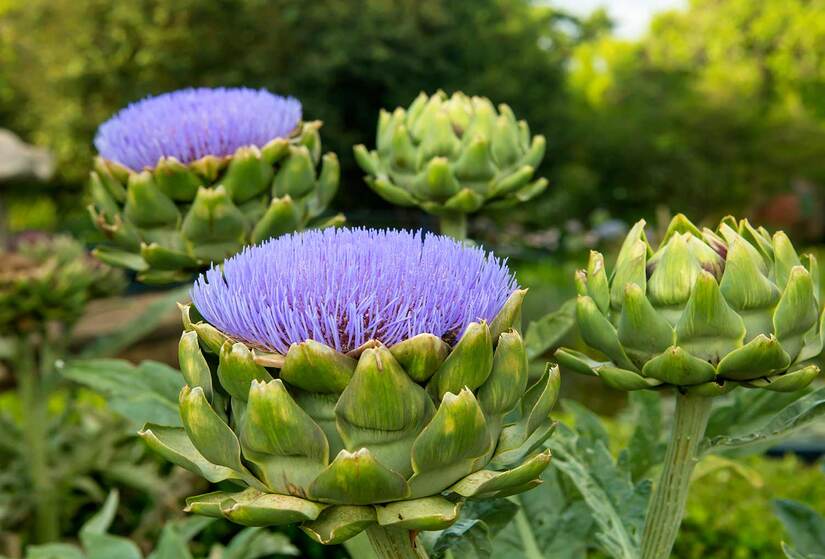
The fundamentals of growing artichokes
 |Mar 31, 2023
Table of Contents
Order Plant Food in our Shop!
Shop NowThe cultivation of the artichoke (Cynara cardunculus, syn. Cynara scolymus) is a must for any vegetable garden. In addition to its delicious flowers, this plant of Mediterranean origin is appreciated by amateur gardeners as a remedy and even as an ornamental plant. The particularity of this vegetable is that the inflorescence is eaten. The thistle-like artichoke is a species that originated from the daisy family (Asteraceae). Depending on the climate, artichokes are grown at different times of the year; in areas where they are grown annually, they are usually planted in the spring, or warmer areas, they survive as perennials and are usually planted as seeds in late summer or as seedlings (or transplants) in mid-fall. They typically take 85 to 100 days to harvest. In this article we give you tips and recommendations on how to best grow artichokes, ending with a simple and delicious recipe.
Characteristics

Mature Size
90-180 cm tall, 120-150 cm wide

Sun Exposure
Full

Soil Type
Well-drained

Soil pH
Neutral

Bloom Time
Summer, fall

veg. color
Purple
Environmental Footprint
Varieties and differences
In terms of yield, growth, and frost tolerance, artichokes come in a variety of shapes and sizes. We’ve put together a diverse variety for you here so you can simply make the best decision:
– Green Globe is a large-fruited artichoke type with green petals.
– Violetto Chioggia has tiny purple fruits with extended buds and is frost resistant.
– Provence greens with tiny, fast-growing fruits with lots of artichoke blooms.
– Imperial Star is a fast-growing cultivar with dark green foliage and a huge fruit
Fertilizer
Fertilisation is essential for the artichoke to accumulate enough energy to develop edible inflorescences in the summer. It is preferable to begin before planting: prepare the bed with compost. This helps to improve soil structure while also providing nutritive elements. Following the planting, you can assist with composting or planting engrais several times during the summer.
Soil
Artichokes like sandy, well-drained soil that is also fertile. It is beneficial if the pH is slightly alkaline. It is best if the soil is slightly sandy (as in the Mediterranean basin). To prevent root rot, it is important to have good drainage, especially in winter locations. However, in hot summers, the soil must be able to hold water long enough for the roots to absorb it.
If you are growing artichokes as perennials, it is extremely important to replenish the soil before planting them so that the plants will continue to thrive in future years. Consider growing artichokes in raised beds if your garden soil is poor.
Water
One to three times a week, water thoroughly and consistently. This will keep the flower buds plump and responsive while growing a strong root system that keeps the plants upright.
Light
Artichokes prosper in full sun. They can withstand some shade, but the flower buds will be affected.
Humidity and temperature
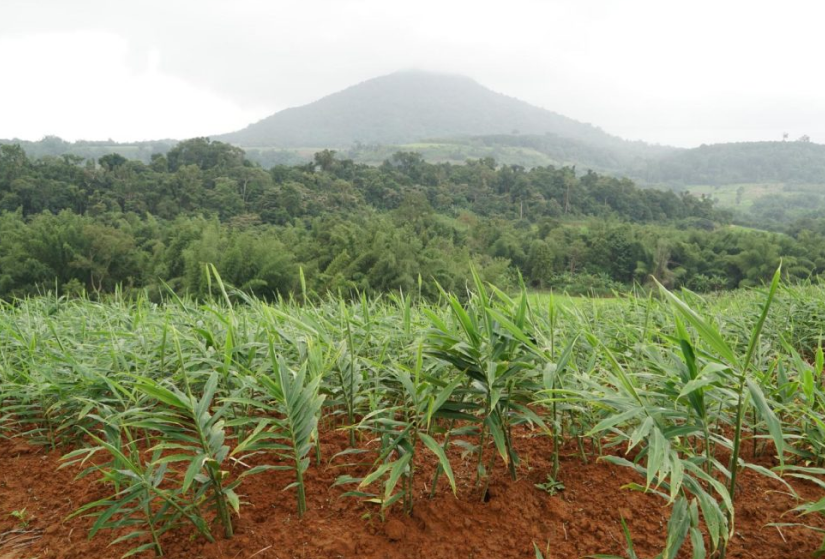
This plant appreciates warm, dry conditions, such as those seen in the Mediterranean region. Excessive heat causes the plant to bloom too prematurely. Artichokes like warm winters (10 to 16 degrees Celsius) and cool, wet summers while planted as a perennial (21 to 26 degrees Celsius). Since hot soil will cause the plants to bloom too quickly, add a thick layer of mulch surrounding the base of the plants to maintain the soil cool.
Harvesting
Artichokes are plants that live for a long time. They can be harvested once and then periodically. As a result, they are low-maintenance vegetable plants. Artichokes, on the other hand, are only moderately hardy and must be kept indoors or properly sheltered from frost.
The harvest season for artichokes begins around August and September in the first year. they could be harvested only when the buds are firm and in a closed state. The harvest can start in July for the older plants. Per plant, up to 12 blossoms can be collected.
Secateurs are used to remove the buds. Leave the blossom with a four to eight-inch stem attached. This makes transporting the bud easier, and the flowers stay longer. Some stalks can be eaten due to their sensitivity. Place the buds in a basket to avoid crushing the petals.
To conclude, we advise you to keep your artichokes in full sun exposition and well-drained soil with frequent watering that can converge from one to three times a week for an optimal plantation.
Recipe Description
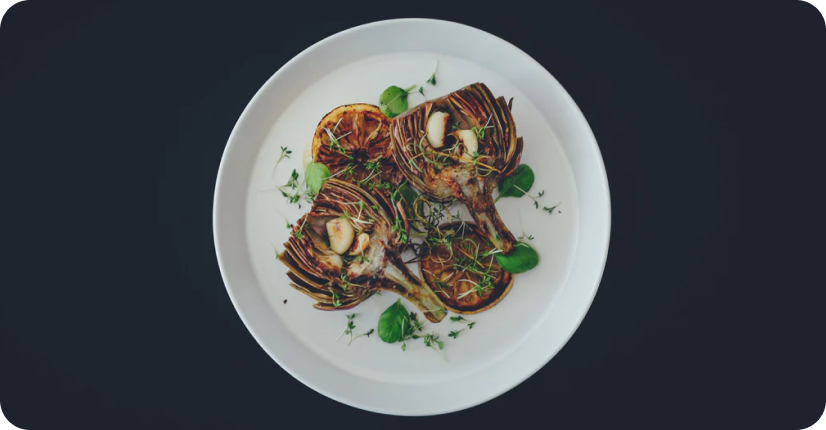
Grilled Garlic Artichoke Recipe
Ingredients
- 2 large artichokes
- 1 Lemon, Quartered
- ¾ Cup Olive Oil
- 4 Cloves Garlic, Chopped
- 1 Teaspoon Salt
- ½ Teaspoon Ground Black Pepper

Servings
4 people

Preparing time
5 min
Cooking time
30 min
- Pour cold water into a large bowl. Squeeze a lemon quarter into the water. Cut the tops off the artichokes, then split them in half lengthwise, and put the halves in the bowl of lemony water to avoid browning
- Place a large pot of water on the stove and bring it to a boil. At the same time, preheat an outdoor grill to mid-high heat.
- Plunge the artichokes into boiling water and cook for about 15 minutes. Drain and squeeze the remaining lemon wedges into a medium bowl. Add the olive oil and garlic to the mixture with your salt and pepper seasoning
- Brush artichokes with garlic sauce and place on preheated grill for 5 to 10 minutes, basting with dip and tossed frequently until tips are nicely charred. Serve with the remaining dip at once and you’re done.
Order Plant Food in our Shop!
Shop NowFAQ
Is it possible to eat artichokes while they’re in bloom?
It is no longer an option to eat flowering artichokes. They are, nevertheless, a bee attraction in the garden. You may also put them in a vase or dry them to use as decorations until the winter.
How long can you safely store artichokes in your freezer?
Fresh artichokes have the greatest flavor. The buds may last up to a week in the cooler. The bud must have a 20-centimeter-long stem that supplies it with moisture. Cover the buds in a moist cloth and place them in a protective plastic bag in the refrigerator. It is no longer possible to eat the leaves once they have become brown. You can only use the artichoke base after that. Artichokes can be stored in your freezer for up to 8 months.
How to make a good recipe with artichokes?
Well, please find a Grilled Garlic Artichoke Recipe down below: