


Table of Contents


Order Plant Food in our Shop!
Shop Now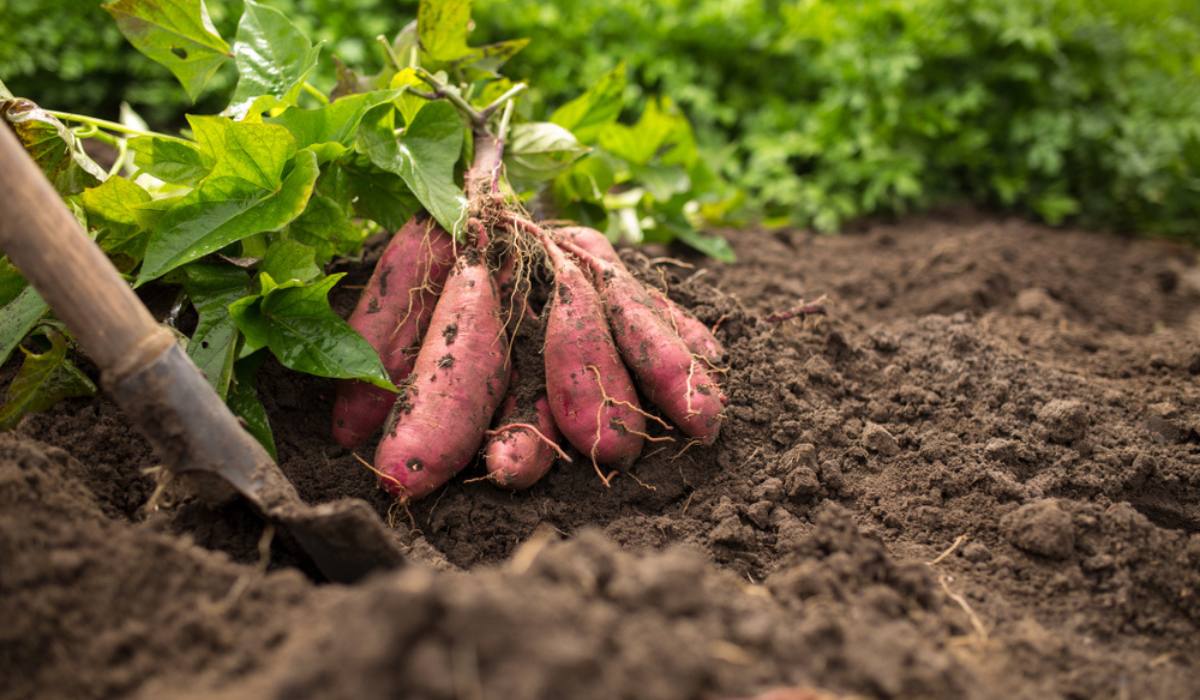
Cultivating Sweet Potatoes
 |Apr 17, 2023
Table of Contents
Order Plant Food in our Shop!
Shop NowSweet potatoes are distinct from normal potatoes. Although orange-fleshed potatoes are by far the most common, sweet potatoes can also be white, yellow, or even purple. Sweet potatoes grow slowly and must be sown in the springtime because they need 120 days of warm weather to generate full-size tubers. Bush variants are also available for smaller gardens.
Characteristics

Mature Size
Vines spread to 600 cm tall, tubers average 15-20 cm.

Sun Exposure
Full sun to part shade

Soil Type
Medium-moisture, well-drained soil

Soil pH
Acidic (5 to 6.5)

Bloom Time
3-4 months after planting

veg. color
orange flesh
Environmental Footprint
Varieties and differences
‘Bush Porto Rico’: After 110 days, this compact vine produces a potato having a copper coat and orange meat. Because of its high yields, this cultivar is ideal for compact gardens.
‘Georgia Jet’: This fast-maturing type is appreciated for its scarlet skin and orange meat; it matures in around 90 days.
‘Patriot’: Because of its high pest resistance, this cultivar is a popular option for organic gardening. The skin of the potatoes is copper, while the meat is orange.
Fertilizer
Sweet potatoes are not strong eaters, but they require balanced nourishment, which is usually provided by good soil. Overfeeding promotes foliage growth rather than tuber development. The ideal method is to amend the beds with compost before planting. Alternatively, before planting, use an organic nutrient solution to the soil.
Soil
Sweet potatoes demand well-drained soil that is abundant in organic content. Sandier soil is preferred over clay-rich soil.
Water
Once grown, sweet potatoes may thrive in dry soil. It is preferable to maintain it equally wet by applying 2 cm of water once a week. To prevent mature tubers from splitting, don’t water your sweet potatoes in the last three to four weeks before harvest.
Light
Grow your potatoes in direct sunlight to partial shade. They love the full sun but welcome afternoon shadow in hot, dry climates.
Humidity and temperature
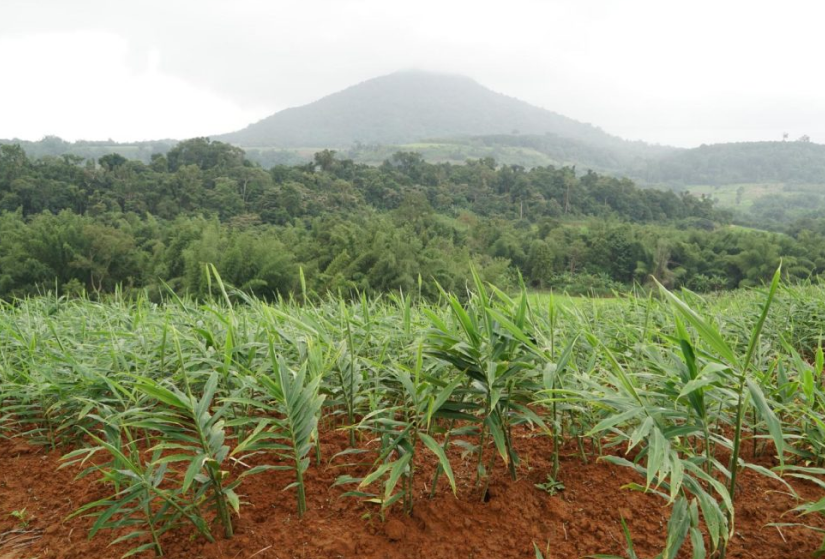
Veggies should not be grown outside until the soil temperature has reached 25 degrees Celsius. They require soil temperatures ranging from 15 to 30 deg C and air temperatures ranging from 21 to 32 degrees Celsius. If you reside in the northern portion of the country, go for short-season types.
Harvesting
Depending on the cultivar, the tubers should be fully ripe 3 to 6 months after planting. If you enjoy eating the foliage as greens, then can do that in tolerance all season. Make careful to leave sufficient leaves for the plant to continue growing. Once the foliage begins to yellow, you may dig up your tubers. If the leaves are frost-damaged, the tubers should be alright. Just don’t leave them in the ground for too long once the tips have died back, or they’ll rot. Digging should be done with care. Sweet potatoes grow near the ground’s surface. Their skin is soft and easily injured or bruised.
Recipe Description

Sweet potatoes with onions, garlic, and thyme
Ingredients
- sweet potatoes according to size 3 to 4 sweet
- potatoes: 800 g
- onions: 2
- unpeeled garlic: 7 cloves
- fresh thyme: 4 small branches
- virgin olive oil: 4 tbsp
- Flower of salt
- Freshly ground pepper

Servings
4 servings

Prepping time
25 min

Cooking time
20 min
- Remove the garlic cloves from the head without peeling them. Rinse with water and gently dry. The onions should be peeled and chopped.
- In a skillet, heat the olive oil and cook the onions until they are slightly translucent.
- Meanwhile, wash and peel the sweet potatoes using a peeler. Cut them lengthwise into quarters, then into cubes.
- As you go, place them in a container filled with water. Drain and dry with a towel.
- Add the sweet potato cubes and garlic cloves to the onions and brown on both sides, sautéing or rotating gently with a spatula. Season with salt and pepper to taste.
- Thinly slice the thyme sprigs and scatter them over the veggies.
Order Plant Food in our Shop!
Shop NowFAQ
Can you grow sweet potatoes inside?
How simple are sweet potatoes to grow?
Growing sweet potatoes is surprisingly simple. Because the vines root anywhere they come into contact with the earth, a few plants may readily yield a large crop.