


Table of Contents


Order Plant Food in our Shop!
Shop Now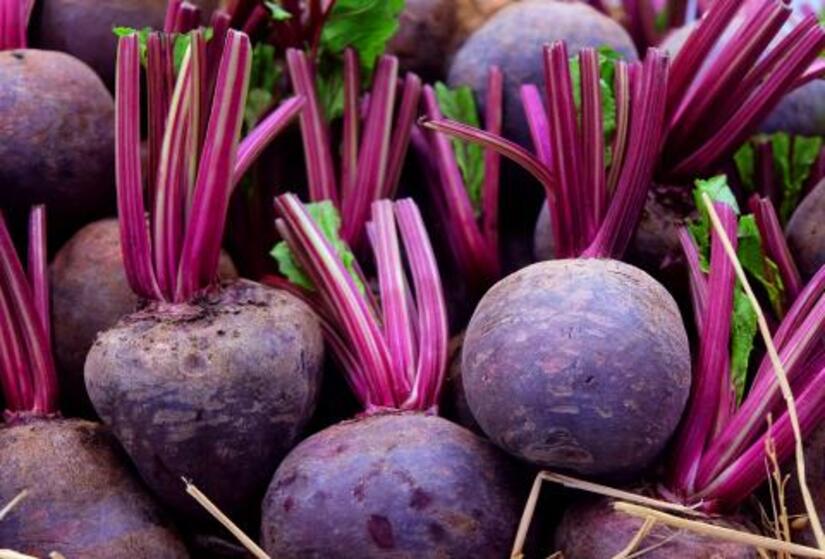
How to cultivate homemade beets
 |Apr 18, 2023
Table of Contents
Order Plant Food in our Shop!
Shop NowBeets (Beta vulgaris) are fast-growing and can be cultivated anywhere. While commonly thought of as a root crop, all parts of the plant are eatable. When thinning a row of beets, pick the tender beet leaves, and the mature ones provide beautiful greens when it's ready to be pulled from the whole plant. Red-rooted beets are the most well-known, but other varieties also exist. Because beets are cool-season veggies, you can plant an early crop in the spring and another later crop in the summer or fall. Most types of beets are ready to be harvested two months after planting. In this article we give you tips and recommendations on how to best grow beets, ending with a simple and delicious recipe.
Characteristics

Mature Size
From 30-45 cm tall, 45-60 cm wide

Sun Exposure
fully or partially exposed

Soil Type
moisted or loamy soil

Soil pH
acidic to neutral (pH between 6 to 7)

Bloom Time
Seasonal

veg. color
White, red, and purple
Environmental Footprint
Varieties and differences
There are several varieties of beetroot all different according to the origin, the color indeed the taste which must be adapted according to its role in your meal we present you 3 different varieties such as:
1/ Avalanche is a white cultivar that is open-pollinated and has a sweet, mild taste. The creamy-white roots, an All-America Sampling winner in 2015, have all the delicacy of a red beet with no trace of bitterness. They are ideal for slicing raw in salads due to their mild flavor and crunchy texture, and they are also fantastic roasted or added to soups and stews.
2/ Bull’s Blood: This heritage cultivar was introduced in 1986 after being developed from the French variant ‘Crapaudine.’ Deep purple leaves can be picked as microgreens to add color to salads or in the same way as Swiss chard. When gathered early, the roots are deep red with a sweet, somewhat earthy flavor and no sense of bitterness.
3/ Detroit Dark Red: it is a beet, not a turnip. Sweet, gentle, and soft, these deep red, spherical roots with smooth skin are great for preserving, cooking, and cutting raw in salads. The tops, which have dark green leaves and brilliant crimson stems and veins, are very soft and tasty. Pick young greens to add a splash of color to salads.
Fertilizer
If your ground lacks organic matter, supplementary feeding will be required around two weeks after the beets emerge. Pursue the package instructions for any decent vegetable fertilizer.
Soil
A light, fertile, well-draining soil with a pH range of slightly acidic to neutral is ideal. Stones, mud, weeds, and anything else that could obstruct root growth should be avoided. Furthermore, beets require boron in the soil to avoid black heart, a disease characterized by distorted foliage and corky black blotches on the roots. As a soil amendment, you can provide boron by utilizing compost or seaweed solution.
Water
Every week, provide at least 1 inch of water. Mulching will protect the soil from running dry and becoming too warm.
Light
Beets prefer having daylight, which means at least six hours of direct sunshine on most days. They can, nevertheless, withstand some mild shadow.
Humidity and temperature
Beets just aren’t as cold-tolerant as other cool-season crops like broccoli, but they can survive a light frost. Temperatures ranging from 15 to 30 degrees Celsius are optimal. Humidity isn’t usually a concern as long as sufficient soil water is maintained and air flow all around plants is present to assist discourage fungus development.
Harvesting
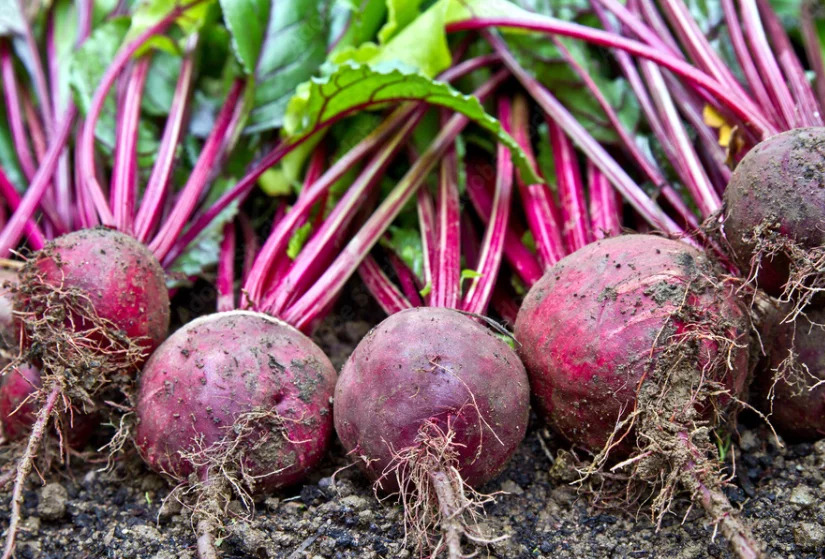
Beets mature with around 55 to 70 days after planting. The greens are at their tenderest before reaching 15 cm and can be eaten fresh or cooked. Leave certain leaves on the plants since they are required for root growth. Beets are ready to be harvested when they reach a diameter of 2.5 to 5 cm. Bigger roots will be more fibrous and stiff. Loosen the dirt around the beetroots and carefully take them out. To minimize bleeding when cooking, leave at least 2.5 cm of stem. Beets are excellent root cellar veggies and may be preserved for three to four months in a cold, dry place packed in sand or sawdust. Beets could also be frozen, canned, or pickled.
Recipe Description
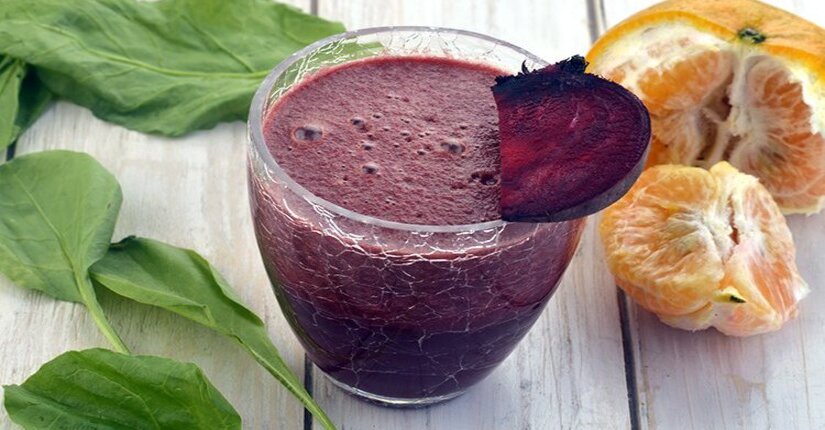
Beets and orange cocktail
Ingredients
- 2 boiled beets
- Orange juice, 100 mL
- 6 sprigs of mint
- 5 sliced chives sprigs
- 1/4 teaspoon (or more) sea salt
- crumbled ice
- finely ground pepper

Servings
4 people

Prepping time
10 min

Cooking time
N/A
- Combine the beets, mint, and orange juice in a blender.
- Season with salt and two cranks of the pepper grinder. Blend in the crushed ice rapidly.
- Pour into stemware and garnish with chives.
- Serve right away. (Chopped parsley can be used to decorate the rims of glasses.)
Order Plant Food in our Shop!
Shop NowFAQ
Is it simple to produce beets?
Beets grow well in soft soils and at moderate temperatures.
How long do beets take to grow?
After planting, beets normally bloom in 55 to 70 days.
Do beets regrow every year?
Although beets are technically biennials, meaning they complete their life cycle across two seasons, most growers cultivate them as annual crops and harvest them in the same season.