


Table of Contents


Order Plant Food in our Shop!
Shop Now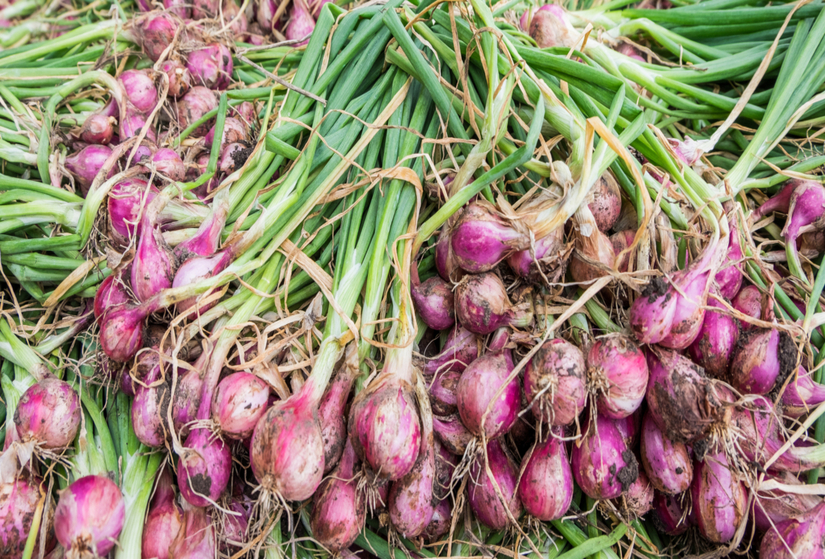
How to Grow Shallots
 |Apr 17, 2023
Table of Contents
Order Plant Food in our Shop!
Shop NowShallots belong to the family of the Allium genus, that also contains onions, cloves, chives, and a variety of ornamental plants. The name "shallot" refers to a subclass of onion plants known as "multiplier onions," which produce two or more bulbs per plant. Although shallots were originally thought to be a different species (Allium ascalonicum), shallots are now botanically classified as an onion variation.
Characteristics

Mature Size
30 to 60 cm tall, 15 to 30 cm wide

Sun Exposure
Full sun, partial sun

Soil Type
Loamy, well-drained

Soil pH
Neutral to acidic (5.0 to 7.0)

Bloom Time
Spring

veg. color
red-brown or purple
Environmental Footprint
Varieties and differences
‘Frog’s Leg’: A mild heirloom with bulbs that are extended like a frog’s leg.
‘French Red’: A true heirloom with a peppery taste that peels easily.
‘Ambition’: A huge French shallot hybrid that keeps well.
Fertilizer
In general, shallots do not require fertilizer. However, adding compost to the soil in the springtime can help increase minerals and improve drainage.
Soil
Plant shallots in organically rich, well-draining soil. They like soil pH levels ranging from acidic to neutral (6.0 to 7.0).
Water
Shallots require constant watering throughout the growing season. Keep the soil mildly moist, do not let the bulbs stay in wet soil since this might lead them to rot. They require around 2 cm of water each week.
Light
Cultivate your shallot in full sun, which means that at least 6 hours of bright sun on most days, for the greatest results. Shallots can also survive some shade, but they may not be as hardy.
Humidity and temperature
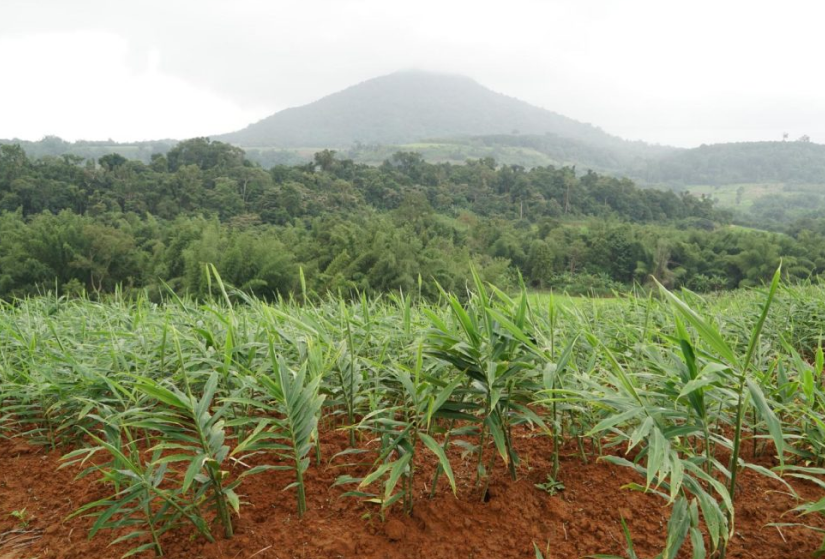
Before they begin to develop, shallots require a cold dormant phase of at least 1 month at temperatures ranging from 0 to 10 deg C. Plants like soil temperatures ranging from 1 to 30 degrees C. Shallots are also not humidity-sensitive as long as they are frequently watered and grown in well-draining soil.
Harvesting
Shallots are typically available for harvesting 100-120 days after sowing. Shallots, like onions, signify that they are set to be pulled up when their leafy tips turn brown. Remove the entire plant and brush off any extra soil. Then, set that in a dry, shaded location for a few weeks to cure. The roots and tips should then be removed. Shallots can be stored in a cool, dry place between 1 and 7 degrees Celsius for up to 8 months. Put them in a bag and make sure they have plenty of air movement. Shallots have such a mild onion/garlic taste and can be used in any dish that calls for onion, especially if a softer aroma is desired. They are delicious both fresh and cooked.
Recipe Description

Caramelized shallots
Ingredients
- 3 tbsp unsweetened butter
- 6 medium peeled shallots
- 1 tbsp. balsamic vinegar
- a half tsp salt and a quarter tsp freshly ground
- black pepper

Servings
3 people

Prepping time
10 min

Cooking time
30 min
- Preheat the oven to 205 degrees Celsius.
- Melt the butter in a large pan over medium heat.
- Cook, rotating regularly, for approximately 10 minutes, or until shallots are browned.
- Allow the pan to cool after removing it from the heat.
- Drizzle the vinegar over the shallots, then season with salt and black pepper.
- Toss the shallots in the pan juices to coat.
- Place the skillet in the oven.
- Cook for 10 minutes with the flat side down.
- Turn them carefully to the other side and continue to roast for 10 minutes, or until they are thoroughly browned and fork-tender.
- Divide the shallots among dishes, cover with the pan sauce, and serve.
- You may top it some parsley if you want.
Order Plant Food in our Shop!
Shop NowFAQ
How much do shallots take to grow?
How simple are shallots to grow?
Shallots are pretty simple to cultivate as much as you have a suitable planting spot with enough sunlight and sufficient drainage.