


Table of Contents


Order Plant Food in our Shop!
Shop Now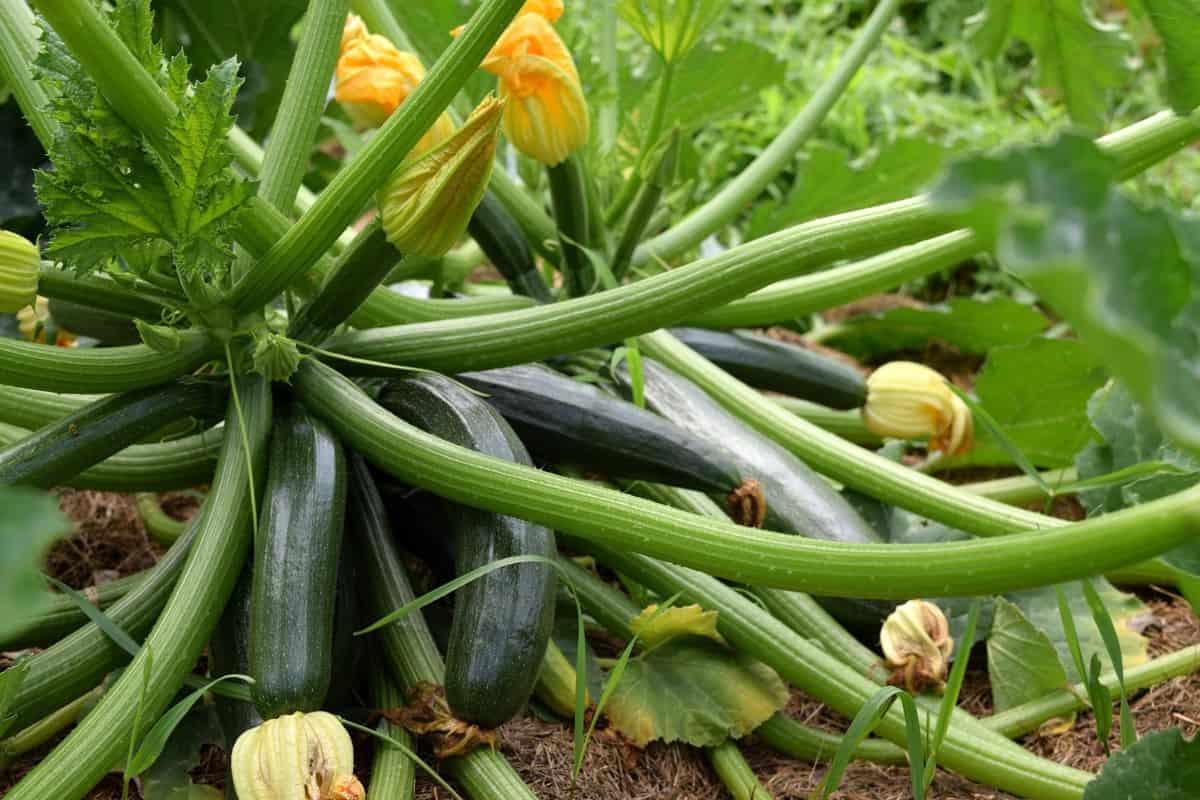
Raising Zucchini in Your Garden
 |Apr 17, 2023
Table of Contents
Order Plant Food in our Shop!
Shop NowGardeners often have a tale or two about zucchini to tell. This summer crop grows so quickly that it's no surprise that there are so many zucchini recipes available: fast breads, sautes, salads, casseroles, and pasta meals. Learn how to produce zucchini in any size garden or what to do with your huge crop!
Characteristics

Mature Size
15–25 cm tall

Sun Exposure
Full sun

Soil Type
rich, well-draining

Soil pH
between 6.0 to 7.5

Bloom Time
Summer

veg. color
green
Environmental Footprint
Varieties and differences
You may grow two kinds of zucchini plants.
Vining zucchini spread along the soil and require 30 cm of space between plants. If you have a strong enough support, you can teach this variety to grow vertically.
Bush Zucchini: these are crops are smaller and require only a few feet of area. They may be cultivated in containers, making them ideal for tiny gardens and backyards.
Fertilizer
Mineral fertilizers, such as blue grain, are highly soluble and may be taken by the plant immediately. However, this immediate but temporary nutritional increase is insufficient for the zucchini in the longterm. Mineral fertilizers, when used incorrectly, can swiftly over-fertilize the soil and irreversibly harm the plant’s delicate roots. It is fairly unusual for nutrients to be flushed out into deeper layers, increasing nitrate levels in groundwater.
Soil
You’ll need a soil that drains well and is rich in loam, which really is a blend of three soils, for zucchini plants. A vegetable garden’s optimal soil ratio is 40 percent sand, 40 percent silt, and 20 percent clay. You should also try adding mulch, composting, or other organic materials to your garden to promote the health of your plants.
Water
Zucchini requires consistent moisture to generate huge, trouble-free crops. Alternatively, the fruits are subject to blossom decay, that occurs when the zucchini’s bloom end begins to decay. When the top 2 cm of soil is dry, water liberally. Because illness can readily spread through zucchini plant leaves, take care while sprinkling to direct the stream towards the earth rather than the leaves. Alternatively, install a drip watering system at the time of planting.
Light
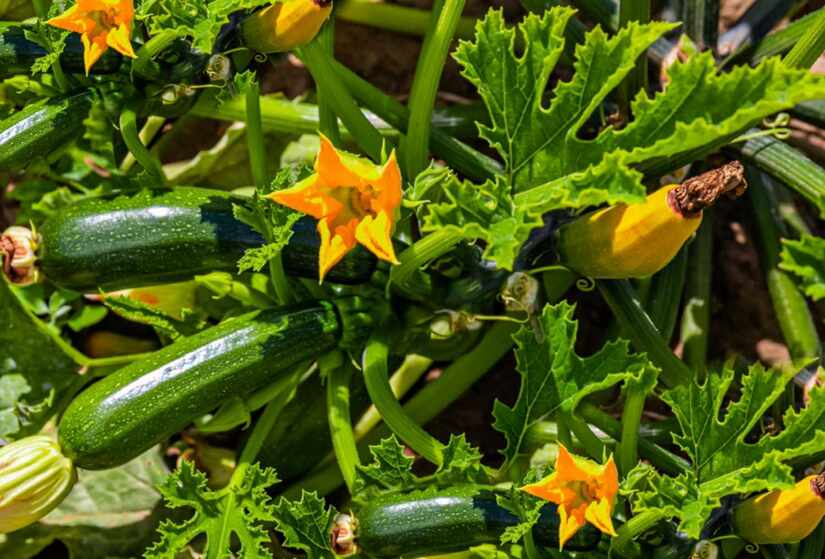
Zucchini need bright light (at least six to eight hours each day) and regularly wet soil rich in organic content. Some zucchini cultivars are vining and need a trellis or a lot of space to grow. There are shrub varieties that are ideal for container planting and small-space gardening.
Humidity and temperature
Zucchini can endure temperatures up to 37°C, although at temperatures beyond 29°C , development and ripening may be reduced, and blooms may drop. At temperatures below 15°C, most cultivars grow more slowly or not at all. The humidity needs range from 70 to 80 percent.
Harvesting
To harvest the squash, use pruners, scissors, or a knife to cut off the stem about 2 to 5 cm from the fruit’s body. It’s also simple to extract the fruit by twirling it; the stem typically breaks straight off, but it doesn’t always, and you wind up crushing the fruit. Furthermore, there is indication that snapping off the fruit might cause root harm to the plant.
Recipe Description

Parmesan-Roasted Zucchini
Ingredients
- 2 medium zucchini, sliced into 1 cm wide rounds
- 1/2 cup parmesan cheese, grated
- 1 teaspoon garlic powder
- 2 tablespoons olive oil
- 3/4 teaspoon sea salt
- 1/2 teaspoon pepper

Servings
2 to 4 servings

Prepping time
5 min

Cooking time
10 min
- Preheat the oven to 230 deg C.
- Sprinkle the zucchini with olive oil, salt, pepper, and garlic powder in a large mixing basin.
- Arrange the zucchini on a baking sheet, cover with grated parmesan cheese, and bake for 5 minutes on the middle rack, then broil for 2-3 minutes, or until the cheese is golden brown.
- Use as a side dish or as a reduced-carb foundation.
Order Plant Food in our Shop!
Shop Now