


Table of Contents


Order Plant Food in our Shop!
Shop Now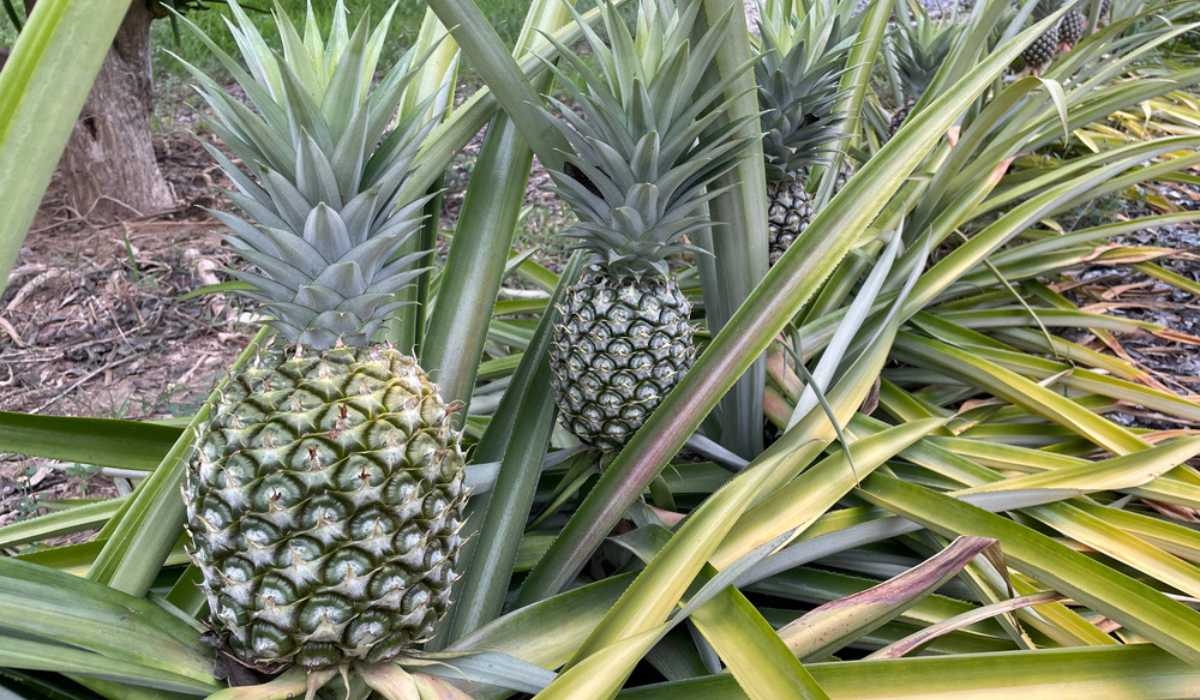
Pineapple Growing Guidelines
 |Apr 12, 2023
Table of Contents
Order Plant Food in our Shop!
Shop NowPineapples grown from seed are considerably sweeter than pineapple purchased from a store. This may surprise you, but you can produce a pineapple yourself from one you bought at the supermarket or farmer's market. If you're searching for a nice gardening project with a nice payoff, look no further. The procedure is simple, albeit maturing a pineapple might take a long time. Growing it indoors can be beneficial for individuals who reside in colder areas where growing pineapples outside is impractical.
Characteristics

Mature Size
1 to 1.5 meter

Sun Exposure
Full

Soil Type
Well drained, sandy, and clay loams

Soil pH
Slightly acidic to neutral (5.5 to 7.0)between 4.5 and 5.6

Bloom Time
Spring, summer

veg. color
Pink flower
Environmental Footprint
Varieties and differences
Abacaxi Pineapples are exceptionally delicious and disease resistant, allowing it a very attractive crop to raise. They’re spiky and tall, with skin that’s almost transparent in hue. They’re tasty, but they’re too fragile for commercial use.
Queen Pineapples: They are dark-yellow with a tiny core and are native to Australia and South Africa. The scent and flavor of the Queen pineapple are good, but it does not can well. Instead, they are best eaten raw. Queen pineapples are much more disease resistant and resistant to cold conditions than other species of pineapple.
Pernambuco Pineapples: The majority of Pernambuco pineapples are grown in Brazil. They have a mild flavor and are white, soft, and juicy. They are yellow on the inside as well as the outside and have tall, spiky leaves.
Fertilizer
Fertilize the pineapple once a month with a soluble, all-purpose houseplant fertilizer at the package rate. Apply the fertilizer to the soil after mixing it with water. Avoid sprinkling fertilizer on the plant as this might harm the growing flower bud.
Soil
Non-compacted, well-aerated, and well-drained, sandy loams, and clay soil types with no heavy rock within one meter of the top are the ideal soils for pineapple cultivation. Poor drainage results in a weakened root structure, which renders the plant more vulnerable to roots and heart rot illnesses. A soil pH between 4.5 and 5.6 is ideal for pineapple cultivation.
Water
Pineapples are drought resilient and can grow with minimal water. A thick coat of mulch may be included to prevent evaporation if you live in a low-water location or if you never manage to water your plants. If you reside in a tropical or subtropical climate, you might start planting young pineapples in a somewhat shaded place. If you live in an area with plenty of rain, that’s OK as well. If you’re growing the pineapple in a container, make sure the soil is well-drained and there are drainage holes. But don’t suffocate the pineapple by overwatering!
Light
Pineapples cultivated in the ground or in pots require full, all-day sunshine to achieve the optimum development and, eventually, fruit. A lack of sunshine can impede the growth of foliage and inhibit blossoming. If you cultivate pineapple for the leaves, it can withstand mild afternoon shade. When feasible, place pineapple plants in full sun all year, including on the southern side of a house where no other plants or structures shadow the plant. When you don’t possess a location that gets enough sun all year, cultivate the fruit in a pot so you may relocate it as the seasons change.
Humidity and temperature
The foremost important climatic element influencing production is temperature. The ideal air temperature during the day is 32°C and 20°C at nighttime. The optimal growth rates decline by roughly 6% for every 1°C increase or decrease.
Fruit is prone to sunburn damage during times of strong sunshine and hot temperatures (above around 35°C). A frost-free location is required.
Harvesting
Colouring is not the only factor to consider while selecting pineapple fruits. This alteration, as well as the increase in size, heralds the impending pineapple harvest. The weight of mature pineapples ranges between 2.5 and 4.5 kg. Before harvesting pineapple, there are two more factors to consider. The sense of smell is an excellent predictor of ripeness. It should have a strong sweet and tart scent. Tap the fruit as well. If the fruit sounds hollow, let it on the plant to mature further. It’s probably pineapple harvest season if it sounds solid. You can pick the fruit when it is 33% or more yellow. You may also pick the fruit when it is fully grown or in the late developed green phase. The pineapple can then be ripened at room temperature.
Recipe Description
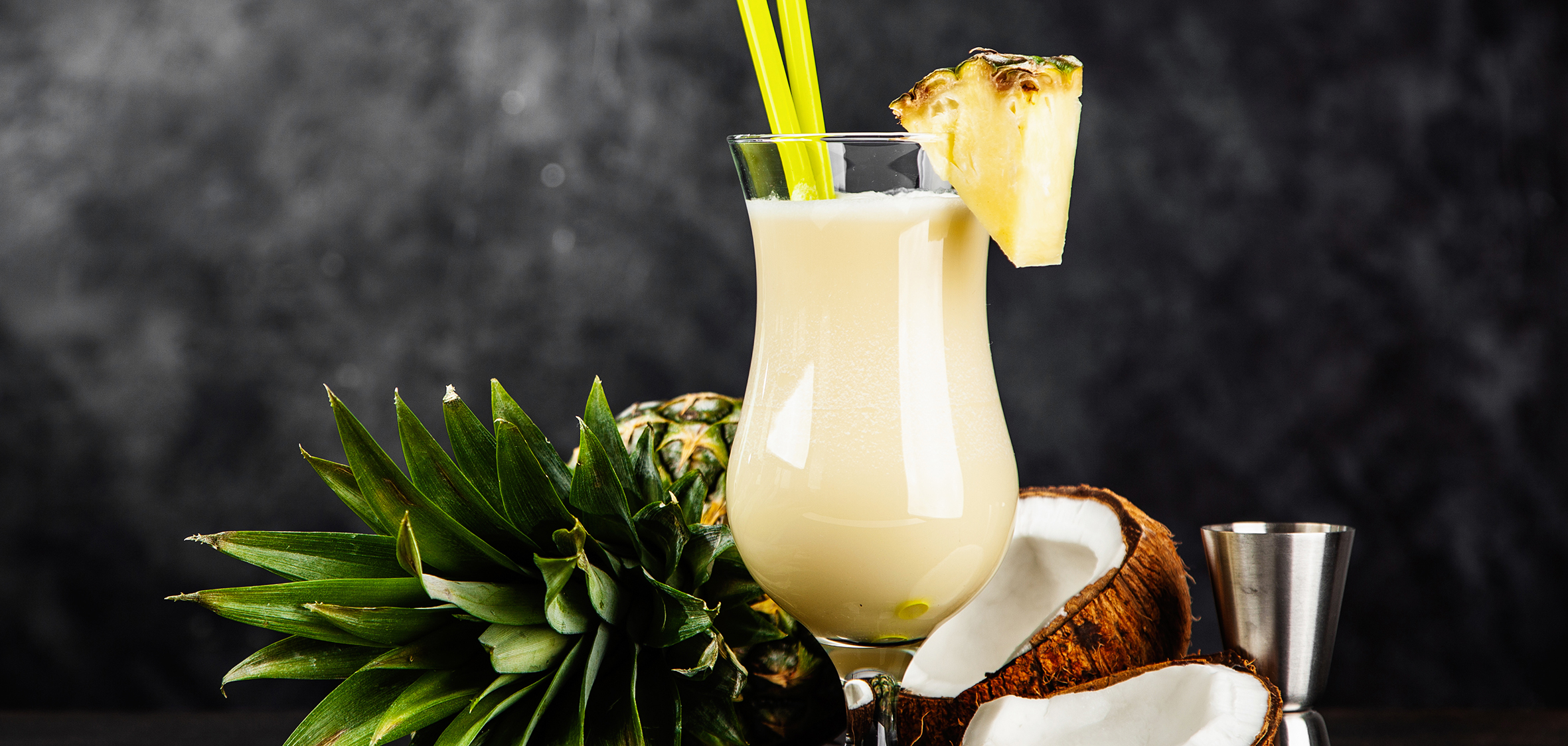
The traditional Piña Colada
Ingredients
- 1/4 big pineapple, cored and peeled, roughly cubed
- 1 and a half cup frozen pineapple
- 1 cup crushed ice
- 150 milliliters old rum
- 60 mL coconut cream
- 12 cup pineapple juice 120ml
- lime juice (30 mL)
- As a garnish: the cocktail cherry

Servings
2 servings

Prepping time
5 min

Cooking time
0 min
- Blend the pineapple with ice until it is chunky.
- Blend in the remaining ingredients until smooth.
- Serve with a cocktails cherries and drink umbrellas as garnish.
Order Plant Food in our Shop!
Shop Now