


Table of Contents


Order Plant Food in our Shop!
Shop Now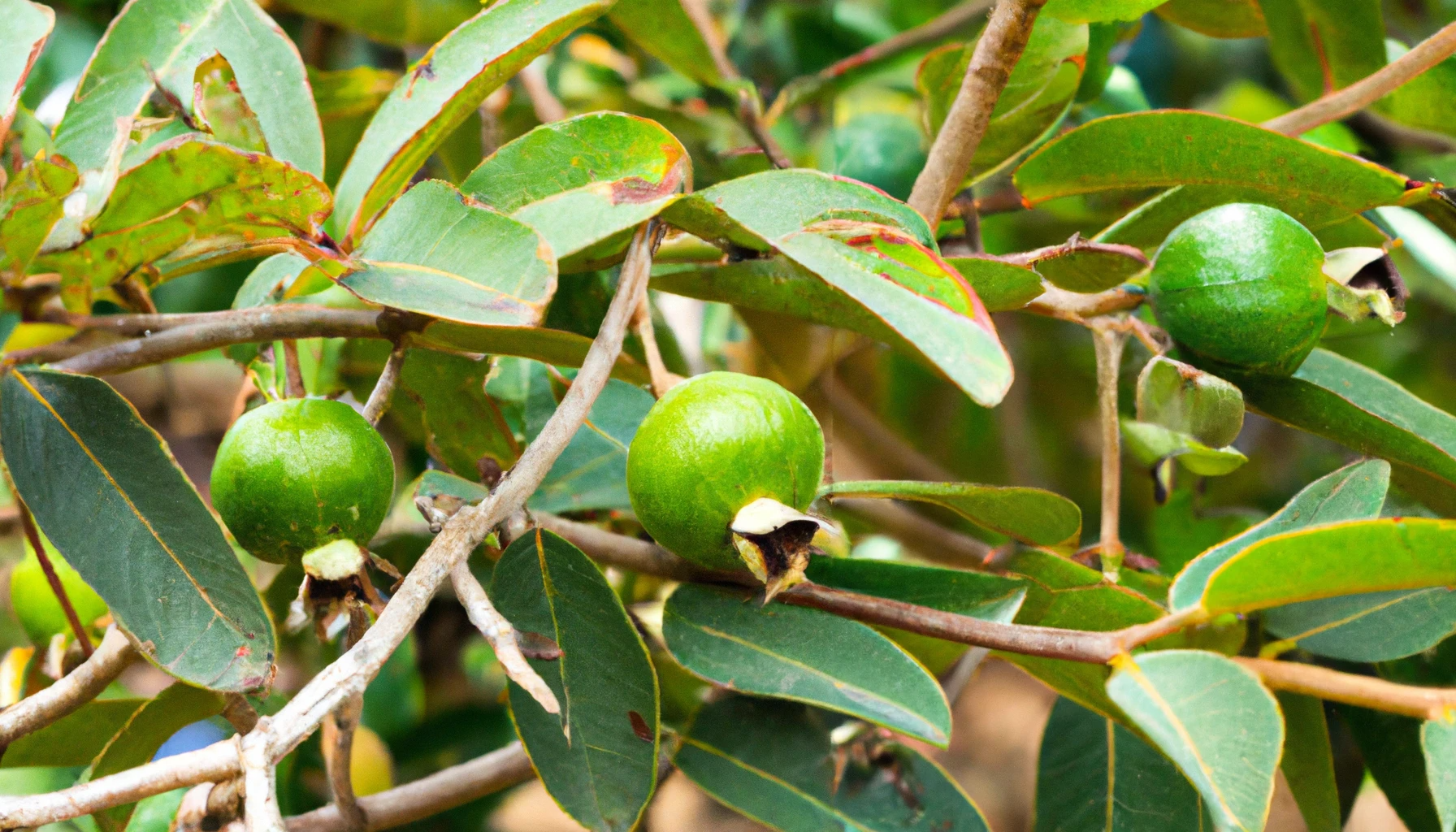
Pineapple Guava Planting and Care
 |Apr 12, 2023
Table of Contents
Order Plant Food in our Shop!
Shop NowFeijoa trees are both gorgeous and productive, producing a sweet fruit that tastes and looks like guava. Acca sellowiana, often known as feijoa, isn't the similar as a typical guava tree, despite the fact that they are both members of the Myrtaceae group. Pineapple guava can be grown as a stemmed shrub or pruned as a small tree with a central trunk. It has silver-green, oval leaves that is evergreen, providing year-round attractiveness. Bright, colorful blooms bloom in the spring. White and pink blooms around the spiky, brilliant red stamens. These fragrant, vivid blossoms attract a variety of birds and are also tasty to humans. Because pineapple guava trees grow slowly, they are suitable for containers and tiny areas.
Characteristics

Mature Size
6 m. tall, 6 m. wide

Sun Exposure
Full, Partial

Soil Type
Loamy, Moist but Well-drained

Soil pH
Acidic, Neutral

Bloom Time
Spring

veg. color
Red, Pink, White
Environmental Footprint
Varieties and differences
Coolidge yields huge, early fruit and is favored in colder climates. It is thought to be self-fertile.
Nikita: This cultivar is one of the first to bear fruit. It has a compact growth habit that is ideal for containers or tiny areas.
Apollo is self-fertile and will fertilize with other types. It bears medium-sized fruit at the end of the growing season. The texture of this fruit is characterized as somewhat rough.
Fertilizer
Pineapple and guava plants benefit from a well-balanced fertilizer applied once or twice a year. When grown in containers, these trees thrive when treated twice a year. An yearly covering of compost will also assist give vital nutrients.
Soil
Rich, well-draining soil with pH values ranging from moderate to slightly acidic is desirable. They can endure saline soil and air, making them ideal for coastal settings. Soggy soil is one aspect they do not tolerate. If the soil properties are less than optimal, amend the soil prior planting to ensure optimum drainage.
Water
Pineapple guava trees like constantly wet soil, thus they should be watered on a regular basis. However, you must avoid overwatering, which can cause root rot.
Once established, these trees are generally drought resilient, but a chronic absence of water will reduce the amount and flavor of the fruit provided. Water the tree only enough to maintain the soil moist no more, no less.
Light
The Feijoa tree is a resilient subtropical native that likes plenty of sunlight. For the greatest results, plant those trees in full sunshine. However, in locations where summers are extremely hot, the pineapple guava can profit from certain afternoon shade.
Humidity and temperature
Despite its tropical look, Feijoa is a tough plant. This tree can survive temperatures as low as -9 degrees C. Subtropical conditions are preferable to tropical ones since temperatures exceeding 32 degrees Celsius can be harmful. The pineapple guava flourishes in temperatures that range from moderate to low humidity.
Harvesting
When the fruit has fallen to the ground, it is ready to be picked. Ripe feijoas are soft but not spongy. They will ripen somewhat off the tree, so if a dropped fruit is still firm, place it in a fruit dish and let it ripen for a few days.
Check for fruit under your tree on a regular basis since it can spoil and attract parasites if left for too much.
Feijoa fruit are best eaten fresh, split open then spooned out like kiwis. The flavor is a cross of pineapple, guava, and sherbet.
Recipe Description
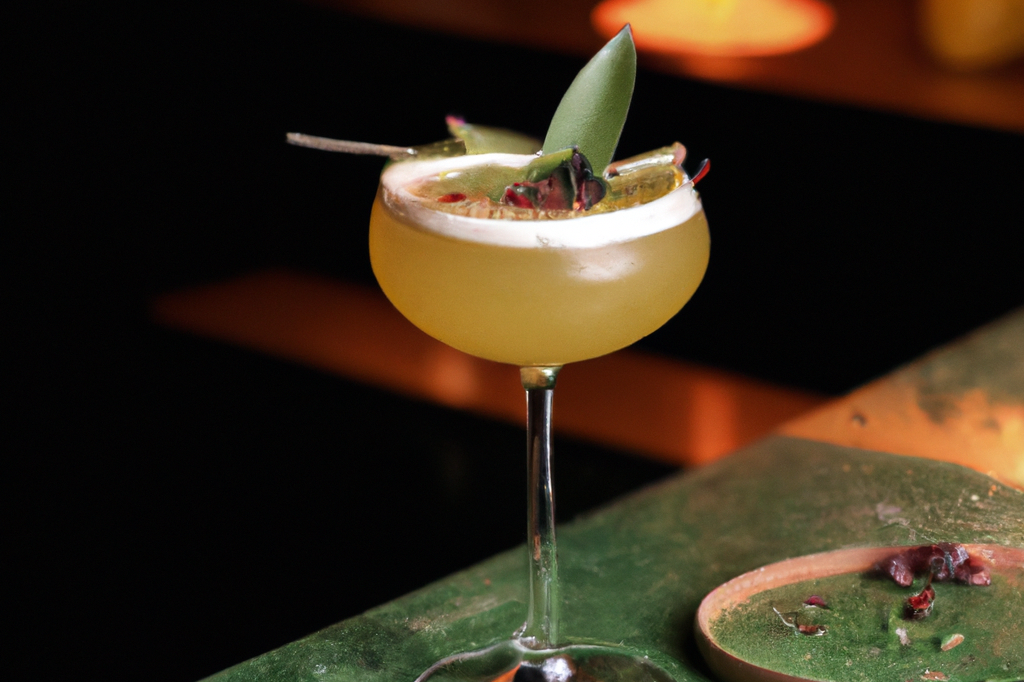
Fizz of Feijoa
Ingredients
- Feijoa skin to press into a 3 liters water packed and nearly full of water
- 1/2 cup granulated sugar
- 2 litres sanitized or boiled water
- Quater teaspoon of champagne is optional

Servings
2 liters

Prepping time
5 min

Cooking time
0 min
- Prepare 4 liters sterilized container with a lid. Fill it close to the top with Feijoa skins, leaving enough room for a sanitized ramekin to press the skins down.
- Fill to the brim with clean water and 1/4 cup sugar. Put a ramekin upon to press the skins down; no fruit skin should be exposed to the air; it must all be submerged in water. Cover firmly and set aside at room temperature for three days.
- Pour the mixture into another sterilized vessel that can withstand pressure, such as a recycled cola plastic bottle, and add the last 1/4 cup sugar as well as champagne yeast.
- Refrigerate for three days, or more if you want higher alcohol content, before opening and serving cold.
Order Plant Food in our Shop!
Shop Now